

Optimise Whole-Life Value. Reduce Long-Term Costs. Support Better Decisions.
Life Cycle Costing (LCC)
We deliver Life Cycle Costing (LCC) and Whole Life Cost (WLC) assessments for projects across the UK, helping clients evaluate total cost over a building’s lifespan, support BREEAM requirements, and make data-driven design decisions.
What is Life Cycle Costing (LCC)?
Life Cycle Costing (LCC) is a method used to assess the total cost of a building over its entire lifespan, including:
Capital costs (CapEx) – design and construction
Operational costs (OpEx) – energy, water, and use
Maintenance and replacement costs
End-of-life costs – demolition and disposal
LCC enables clients to understand not just initial cost, but long-term financial performance.
What is Whole Life Cost (WLC)?
Whole Life Cost (WLC) expands LCC by integrating both financial and environmental considerations, often combining LCC with Life Cycle Assessment (LCA).
This approach supports low-carbon, cost-efficient design strategies.
When Do You Need Life Cycle Costing?
LCC is commonly required for:
BREEAM assessments (Man 02 credits)
Design option comparisons
Investment and feasibility studies
Value engineering and cost optimisation
Long-term asset management planning
Early-stage LCC provides the greatest value by identifying cost-effective design strategies before construction.
How Life Cycle Costing Works
We follow a structured, standards-aligned process:
Define study period (e.g. 30–60 years)
Identify cost components (CapEx, OpEx, maintenance)
Model design options and scenarios
Apply discounting (Net Present Value)
Compare results to inform decisions
This ensures robust, comparable cost analysis across design options.
Our LCC & WLC Services
-
RIBA 0-2: Early Design Stage
High-level cost modelling
Design option comparison
Strategic cost planning
-
RIBA 2-3: Planning & Design
BREEAM-compliant LCC studies
Whole life cost reporting
Integration with carbon assessments
-
RIBA 4-6: Technical Design
Detailed cost modelling
Maintenance and replacement forecasting
-
RIBA 7: Operational Stage
Asset life cycle cost planning
Long-term cost optimisation strategies
LCC vs LCA vs Whole Life Costing
Understanding the differences:
LCC (Life Cycle Costing): Financial cost over lifecycle
LCA (Life Cycle Assessment): Environmental impact (carbon, resources)
WLC (Whole Life Cost): Combined financial and environmental performance
Together, these approaches enable balanced, sustainable decision-making.
Standards & Compliance
Our assessments align with:
ISO 15686 (Service Life Planning and LCC)
BREEAM Man 02 Requirements
Selected LCC Projects
-
![Modern cityscape with a mix of old stone building and contemporary glass and metal high-rise, people walking and a cyclist in a public square.]()
11 & 12 Wellington Place, Leeds
-
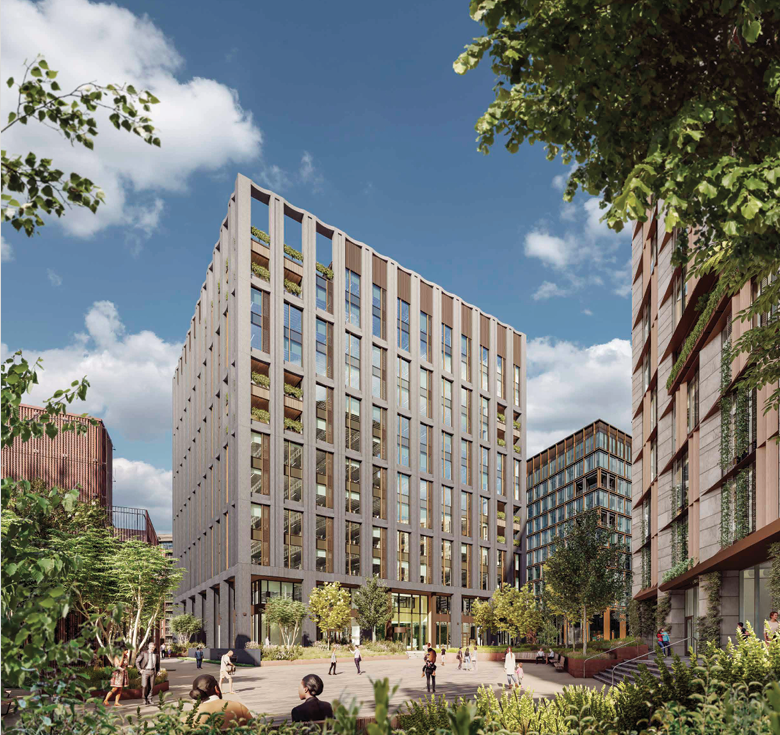
![Modern urban plaza with high-rise buildings, trees, and people walking and sitting in a landscaped area.]()
14 Wellington Place, Leeds
-
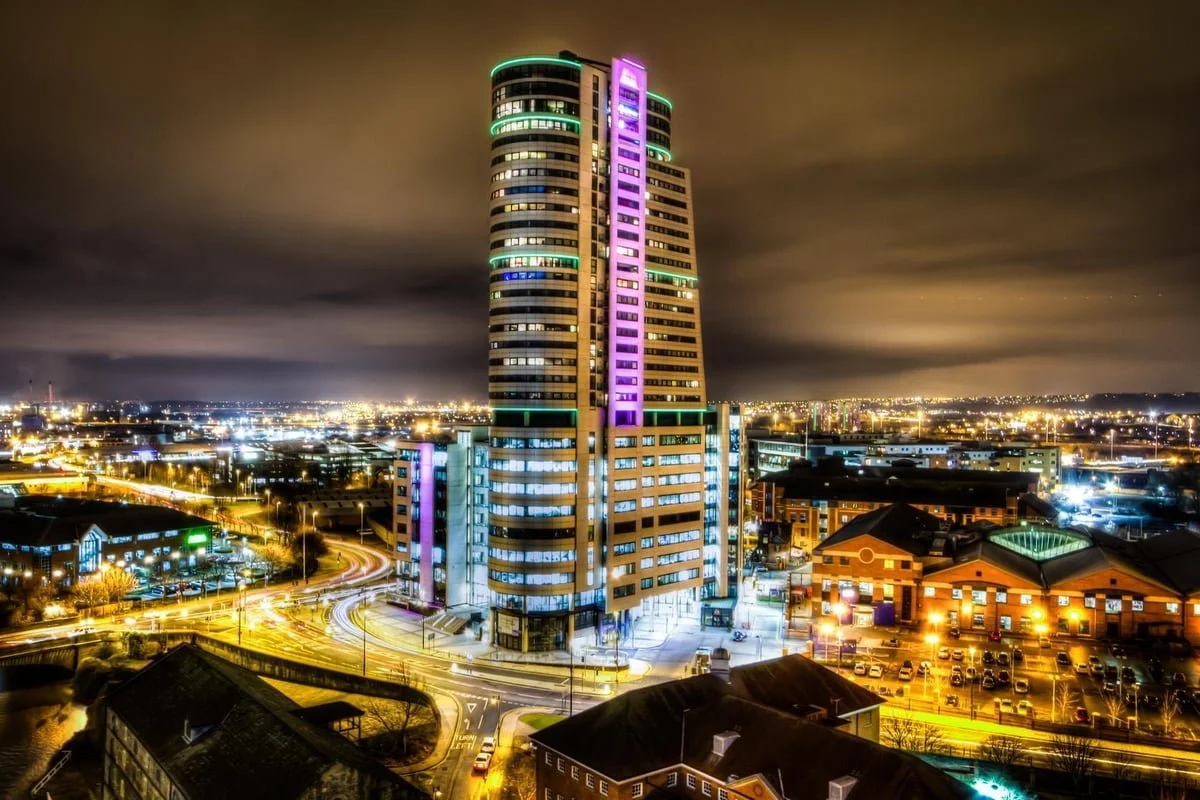
![Night view of a cityscape with a tall, illuminated high-rise building in the center, surrounded by smaller buildings and streets with car lights, under a cloudy sky.]()
Bridgewater Place, Leeds
-
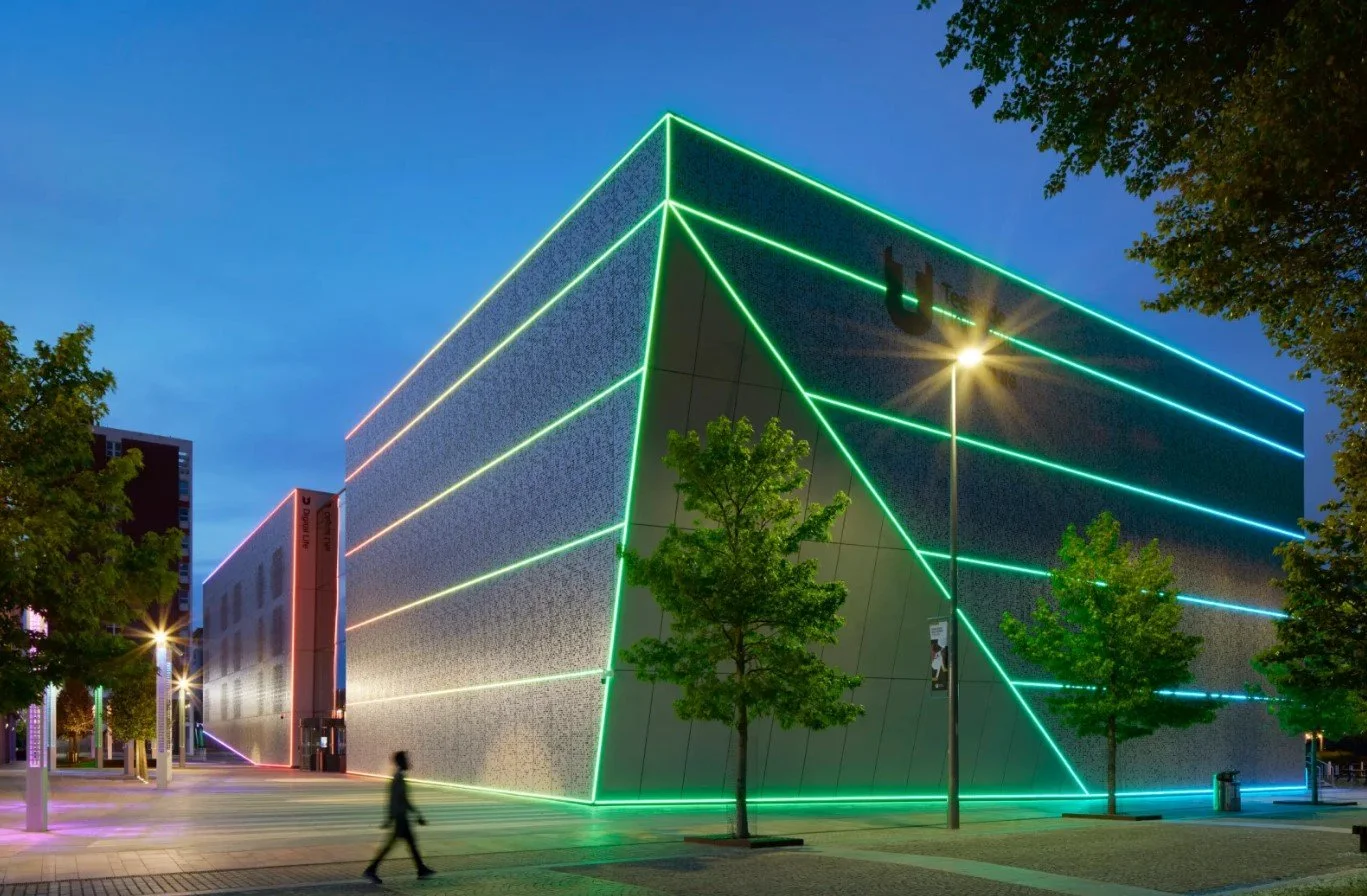
![Modern building with colorful neon lighting on its exterior, surrounded by trees and streetlights at dusk.]()
Digital Life, Teesside University
-
![New DPD delivery warehouse with trucks parked outside, modern building with large glass windows, and people walking near the entrance.]()
DPD, Crawley
-
![Modern industrial warehouses with parking lot, surrounded by green landscaped areas and winding pathways, under a clear blue sky.]()
Fairham Business Park, Nottingham
-
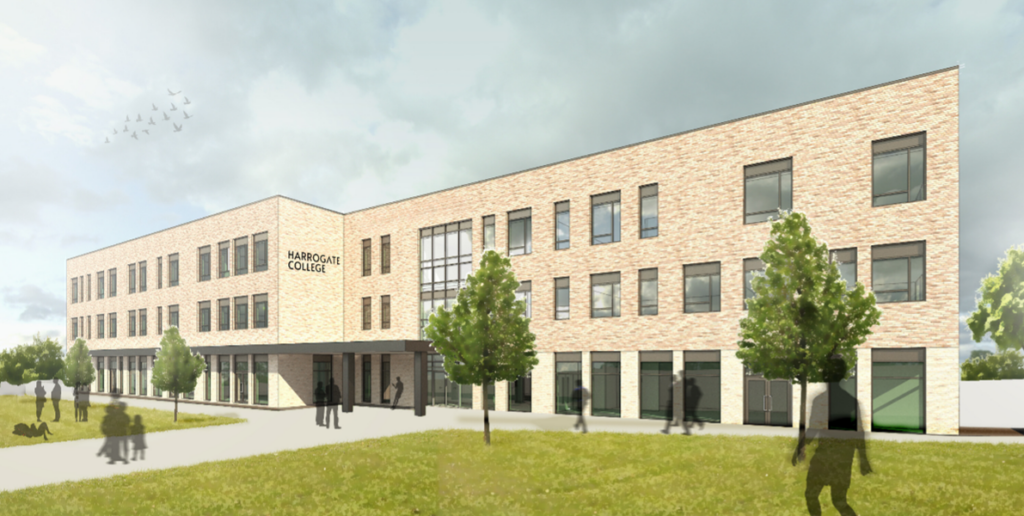
![Digital rendering of a modern, multi-story college building labeled 'Harrogate College,' with people walking outside and a grassy area with trees.]()
Harrogate College, North Yorkshire
-
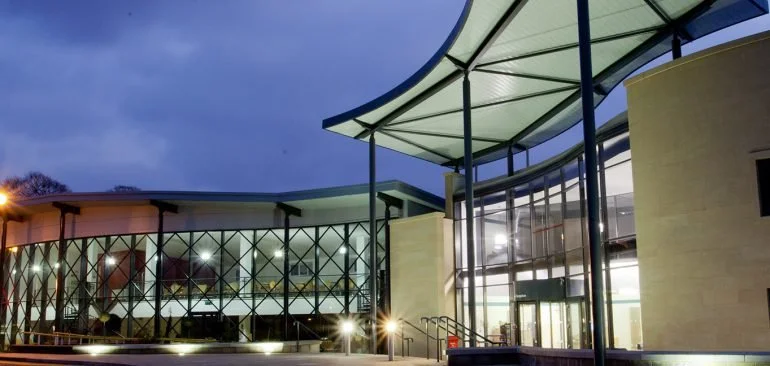
![Exterior view of a modern building with glass windows and a curved roof during dusk.]()
Runshaw College, Leyland
-
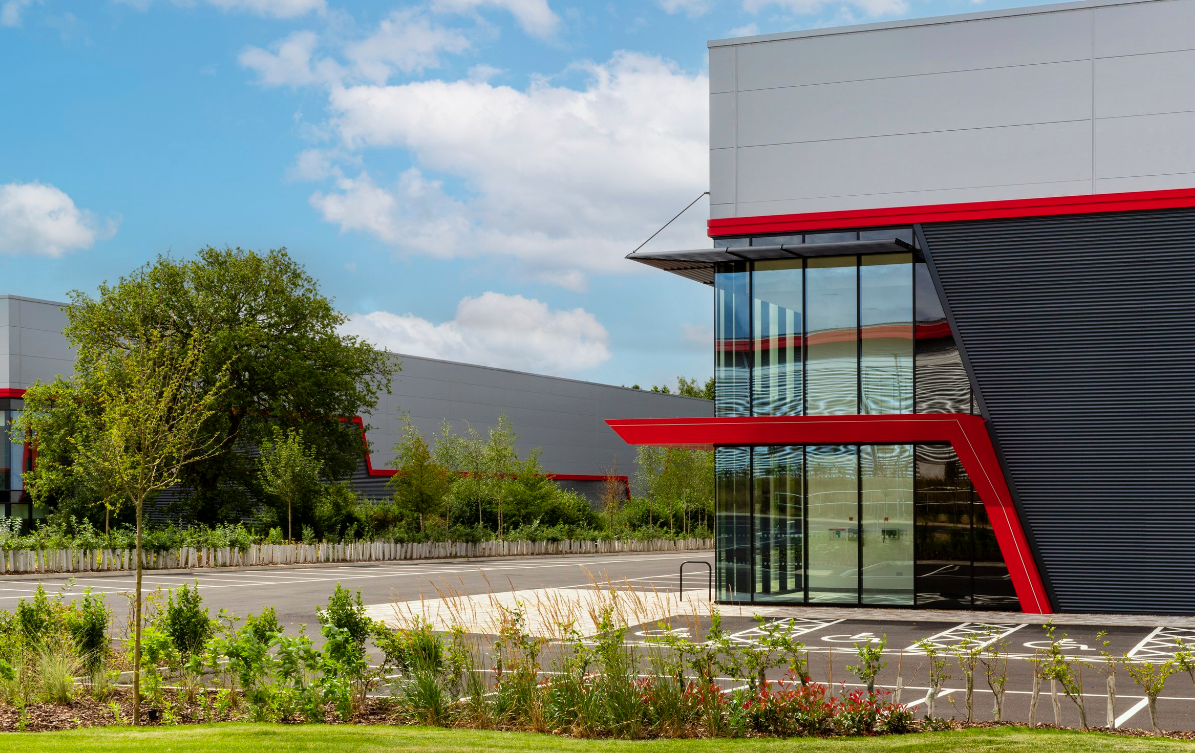
![Modern commercial building with large glass windows and red accents, parking lot with marked spaces, landscaped greenery, and trees under a partly cloudy sky.]()
Silverstone Park, Towcester
-
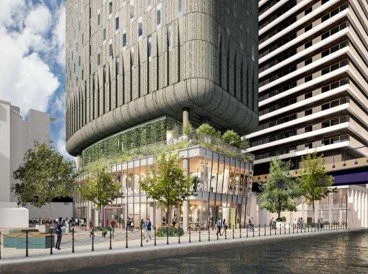
![Street view of a modern building with glass storefronts, trees, and people walking, in an urban setting.]()
Quay House, London
-
![Modern cityscape with tall residential and office buildings, a curved pedestrian bridge over a waterway, and trees, under a partly cloudy blue sky.]()
Whitehall Riverside, Leeds
-
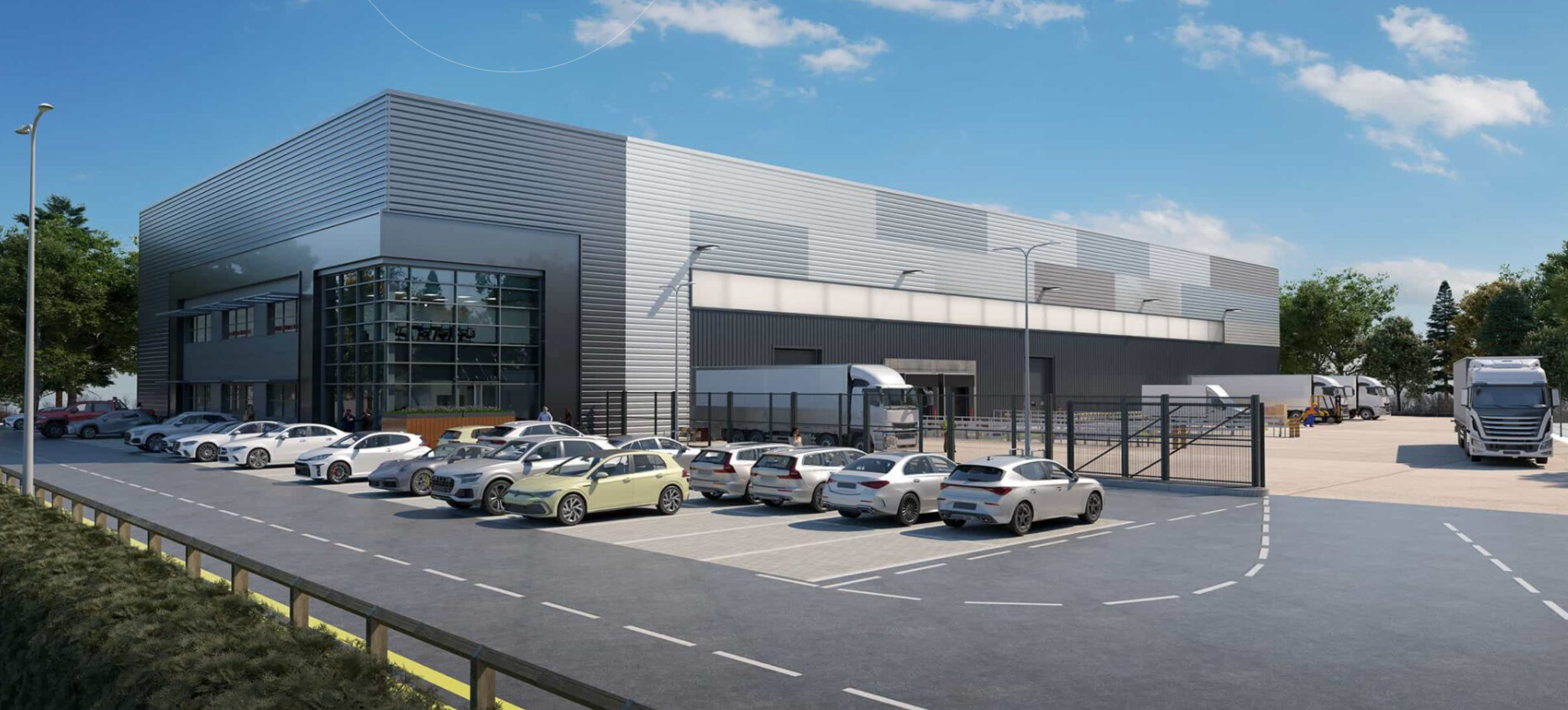
![Modern industrial warehouse with loading docks, trucks, and parked cars in a lot, surrounded by trees under a blue sky.]()
Wythall Green, Worcestershire





Frequently Asked Questions
-
LCC evaluates all costs associated with a building over its lifespan, including capital, operational, maintenance, and end-of-life costs.
-
LCC is required under BREEAM Man 02 credits to demonstrate cost-informed design decisions.
-
LCC focuses on financial costs, while Whole Life Costing may also include environmental impacts such as carbon.
-
Typically 2–6 weeks depending on project complexity and data availability.
Related Services
Life Cycle Assessment (LCA) for carbon analysis.
Environmental Product Declarations (EPDs) for product-level data.